The Function of CNC Machining Providers in Modern Manufacturing and Engineering Solutions
CNC machining solutions have become necessary in contemporary manufacturing and design. They supply accuracy and effectiveness, allowing the development of complicated parts with minimal human oversight. This development not only lowers manufacturing time and costs yet additionally attends to the raising needs of various markets. As innovation advances, the landscape of CNC machining is set to alter further - jig and fixture tooling. The ramifications of these advancements call for closer exam
Understanding CNC Machining: A Review
CNC machining, a cornerstone of modern-day manufacturing, involves the usage of computer-controlled tools to specifically reduce and shape products. This innovation integrates sophisticated software application and machinery to automate the production process, ensuring high accuracy and efficiency. CNC, which represents Computer Numerical Control, enables drivers to input in-depth specs that lead the machine in performing complicated styles.
Different materials, consisting of plastic, wood, and steel, can be machined, making CNC versatile throughout various industries. The procedure begins with a digital design, usually created making use of CAD software program, which is equated right into device language for execution.
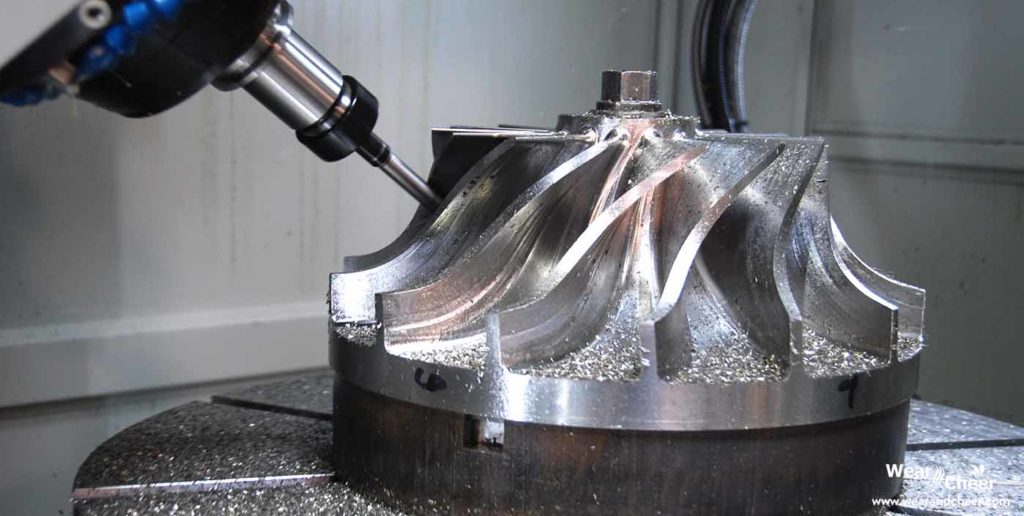
CNC machining includes a number of strategies, such as milling, transforming, and exploration, each matched for details applications. The adoption of CNC modern technology has actually changed production capabilities, enabling manufacturers to produce complex parts with very little human intervention. Consequently, it has ended up being an important part in markets ranging from aerospace to automotive.
Benefits of CNC Machining in Manufacturing
CNC machining offers significant advantages in production, especially with respect to accuracy and accuracy, which improves item high quality. Furthermore, it is economical, permitting minimized manufacturing prices while preserving high criteria. Its versatility in managing various materials better emphasizes its worth in contemporary production processes.
Precision and Accuracy
In contemporary production, precision and accuracy are extremely important, and progressed machining methods play an important function in accomplishing these goals. CNC machining services give exceptional uniformity in manufacturing, permitting makers to create intricate get rid of exact specs. By using computer system numerical control, these equipments eliminate human mistake, making sure that each component satisfies strict resistances. The repeatability of CNC machining allows services to generate large quantities of similar items without compromising quality. Progressed software application used in CNC procedures permits for detailed styles and quick changes, improving versatility in the manufacturing process. Ultimately, the accuracy and precision offered by CNC machining considerably add to improved item dependability and performance, promoting innovation and fulfilling the ever-evolving demands of various markets.
Cost-Effectiveness
Cost-effectiveness sticks out as a significant benefit of CNC machining in the manufacturing field. By automating the machining process, firms can decrease labor prices and lessen human mistake, which causes greater efficiency. CNC machines operate continually and can create parts at a much faster price than standard methods, inevitably lowering production prices. In addition, the precision supplied by CNC machining lowers material waste, making certain that sources are used efficiently. Because of this, businesses can achieve greater earnings margins while keeping premium criteria. The capacity to generate complicated designs with minimal arrangement time more boosts price efficiency. Overall, CNC machining presents an engaging remedy for suppliers seeking to enhance their procedures and continue to be competitive in a demanding market.
Flexibility in Materials
Adaptability in products is a hallmark of modern-day CNC machining, permitting producers to work with a vast range important, consisting of metals, plastics, wood, and compounds. This capacity allows the manufacturing of diverse elements customized to particular application demands. Aluminum and stainless steel can be machined for durable commercial parts, while plastics are ideal for light-weight and corrosion-resistant applications. Timber machining satisfies the furnishings and attractive industries, while composites use strength-to-weight advantages in aerospace and automotive markets. The capacity to change in between materials without substantial reconfiguration enhances operations efficiency and lowers lead times. Ultimately, this versatility empowers makers to introduce and satisfy advancing market needs, solidifying CNC machining's duty as a cornerstone of contemporary engineering remedies.
Secret Industries Benefiting From CNC Machining Solutions
CNC machining solutions play a necessary duty in different key industries, specifically aerospace and defense, as well as auto element production. These markets count on the precision and performance of CNC modern technology to meet rigorous top quality and safety and security requirements. The capability to generate complex get rid of limited tolerances placements CNC machining as a vital device in modern-day production.
Aerospace and Protection Applications
In the high-stakes domain of aerospace and reliability, precision and defense are critical, making CNC machining services important. These solutions enable the production of complex elements with exacting tolerances, necessary for aircraft, satellites, and military tools. CNC machining promotes the development of light-weight yet robust parts, commonly utilizing innovative materials such as titanium and carbon fiber. The capability to quickly prototype article and manufacture elements speeds up the growth cycle, making certain that critical systems are both reliable and reliable. Additionally, CNC innovation improves repeatability, minimizing the risk of human error and making sure consistent top quality throughout huge production runs. As the aerospace and defense fields increasingly adopt automation, CNC machining services will certainly remain to play a critical role in conference rigid functional demands and governing requirements.
Automotive Part Manufacturing
The automotive market, much like aerospace and defense, depends greatly on accuracy engineering to satisfy the needs of modern manufacturing. CNC machining services play an essential duty in creating high-grade automotive elements, such as engine components, transmission real estates, and personalized fittings. These solutions allow suppliers to achieve limited tolerances and complex geometries, necessary for boosting vehicle efficiency and security. The capability to rapidly adapt designs and create models via CNC machining increases development within the sector. Furthermore, the scalability of CNC machining enables both tiny batch production and large-scale manufacturing, satisfying diverse market requirements. additional info As electric and self-governing cars gain grip, the dependence on CNC machining is poised to expand, further solidifying its relevance in automotive component manufacturing.
The CNC Machining Process: From Style to Manufacturing
Changing an electronic style into a concrete item involves a collection of specific actions in the CNC machining procedure. Engineers use computer-aided design (CAD) software program to develop a detailed digital model of the preferred element. This model is after that exchanged a style suitable with CNC devices, commonly via computer-aided manufacturing (WEB CAM) software application. The CNC maker interprets this information to lead its procedures.
As soon as the style is prepared, the selected product is secured in the CNC maker. The machining procedure begins, involving different methods such as milling, turning, and boring, where tools eliminate product to form the part according to specifications. Throughout manufacturing, the maker continuously adjusts and checks for precision, guaranteeing the end product fulfills the layout standards.
After machining, parts undertake ending up procedures such as sanding or layer to boost performance and visual appeals. This systematic approach warranties that top quality components are produced efficiently and properly.
Developments and Patterns in CNC Machining Modern Technology
As improvements in technology remain to form the manufacturing landscape, CNC machining is observing substantial innovations that boost efficiency and accuracy. One prominent pattern is the integration of expert system and artificial intelligence, allowing adaptive machining processes that enhance device paths and decrease cycle times. In addition, the adoption of advanced products, such as composites and light-weight alloys, increases the capabilities of CNC equipments, enabling the manufacturing of complicated geometries with greater strength-to-weight proportions.
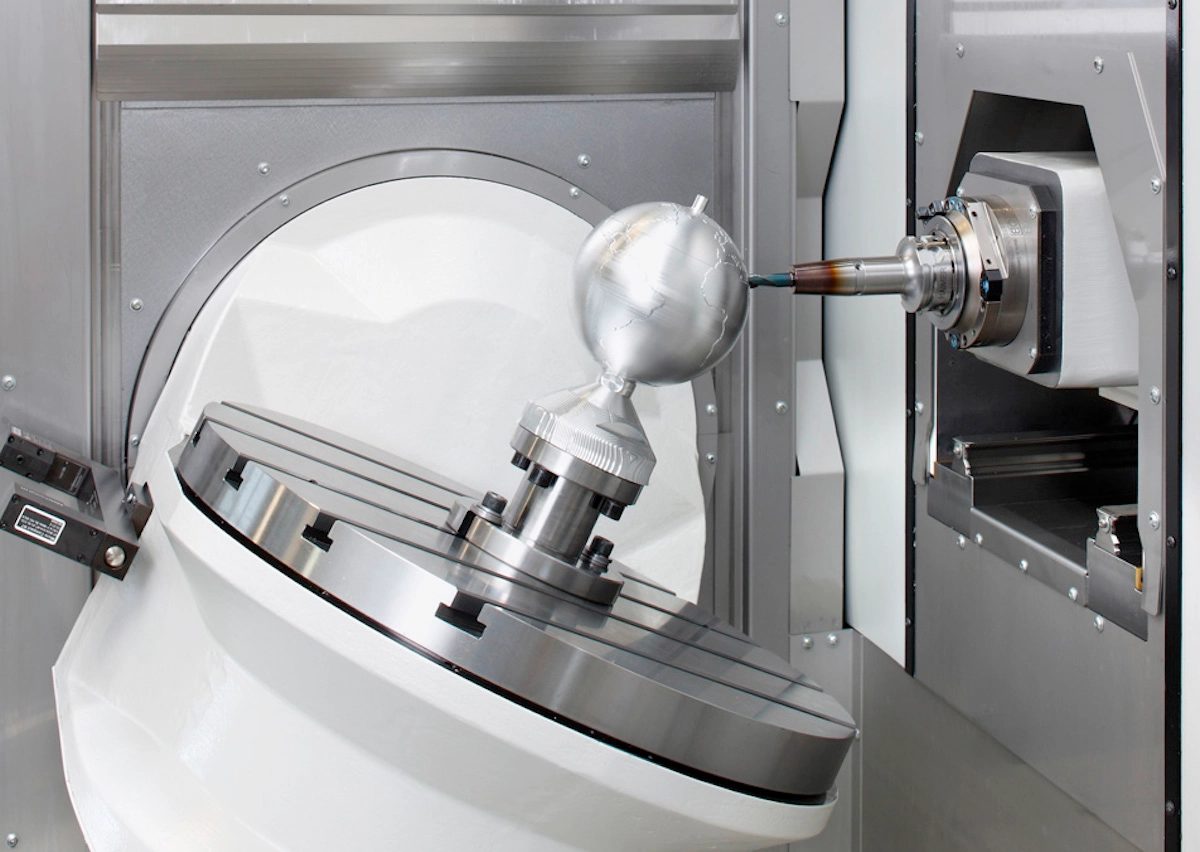
In addition, cloud computer and IoT (Internet of Points) innovations assist in real-time monitoring and data evaluation, bring about predictive upkeep and reducing downtime. Automation through robotics is also coming to be increasingly common, streamlining workflows and enhancing security in production settings. Ultimately, the rise of 5-axis machining offers unmatched adaptability and accuracy, enabling the creation of intricate parts in a single setup. These developments jointly place CNC machining at the leading edge of modern-day manufacturing remedies.
Future Outlook: The Evolving Function of CNC Machining in Design Solutions
CNC machining is poised to play a progressively vital duty in design remedies as industries accept sophisticated modern technologies and evolving market demands. As automation and smart manufacturing gain traction, CNC machining services are anticipated to integrate with Internet of Things (IoT) devices and synthetic intelligence (AI) to improve precision and efficiency. This combination will permit real-time tracking and predictive maintenance, decreasing downtime and enhancing production effectiveness.
In addition, the rise of customized manufacturing will certainly demand even more adaptable CNC systems qualified of adjusting to little batch manufacturing with quick turn-around times. Sustainability problems will certainly also drive developments in CNC machining, prompting the growth of environmentally friendly materials and procedures.
Eventually, CNC machining will continue to advance, attending to the complexities of modern-day design challenges while providing economical and scalable remedies that fulfill the diverse demands of sectors ranging from aerospace to healthcare.
Often Asked Questions
What Products Can CNC Machining Deal With?
CNC machining can function with a variety of products, consisting of metals like steel, light weight aluminum, and titanium, in addition to plastics such as acrylic and nylon. Additionally, wood and composites are likewise ideal for CNC machining processes.
Just how Do I Choose a CNC Machining Solution Company?
When picking a CNC machining company, one must consider their experience, devices quality, product capabilities, client reviews, turnaround times, and rates. A detailed comparison ensures the my link picked company fulfills specific project demands effectively.
What Is the Normal Turn-around Time for CNC Machining Projects?
Typical turnaround times for CNC machining tasks vary, frequently varying from a couple of days to several weeks, depending upon task intricacy, material availability, and the provider's work. Timelines need to be validated directly with the selected company.
Exist Minimum Order Quantities for CNC Machining Providers?
Just How Does CNC Machining Ensure Precision and Accuracy in Manufacturing?
CNC machining guarantees precision and accuracy with computer-controlled procedures, which decrease human error. Advanced software program and high-quality equipment promote specific measurements, regular replication, and intricate layouts, leading to superior parts that fulfill stringent specs and resistances.
CNC machining, a keystone of contemporary production, entails the use of computer-controlled tools to specifically reduce and shape materials. CNC machining solutions give unmatched consistency in manufacturing, permitting suppliers to create complicated components with specific specifications. CNC machining solutions play a crucial role in various crucial markets, particularly aerospace and protection, as well as automobile part manufacturing. Additionally, the scalability of CNC machining allows for both small set production and large production, providing to diverse market requirements. As automation and smart production gain traction, CNC machining solutions are anticipated to integrate with Web of Things (IoT) devices and artificial knowledge (AI) to enhance precision and performance.